Fuel Excise Tax Online Filling Guide
What is the Fuel Excise Tax?
The Federal Fuel Excise Tax is a tax imposed on certain fuels, including gasoline, diesel fuel, kerosene, aviation fuel, and certain alternative fuels. According to the IRS, the tax generally applies when taxable fuel is removed from a refinery or terminal, entered into the United States, sold, or used in a taxable manner. Fuel excise taxes are generally reported using Form 720, Quarterly Federal Excise Tax Return.
The two major Internal Revenue Code sections governing fuel excise taxes are:
- IRC § 4081 – Taxable Fuels: Primarily covers the excise tax imposed on gasoline, diesel fuel, and kerosene when certain taxable events occur, such as removal from a refinery or terminal or entry into the United States.
- IRC § 4041 – Certain Fuels: Covers excise taxes on the sale or use of certain fuels, including alternative fuels and other fuels used in motor vehicles, motorboats, and certain aviation activities.
Fuel Excise Tax categories according to Form 720 categorization
| Fuel Excise Tax Category | IRS No. | Tax Rate |
|---|---|---|
| Diesel – tax on removal at terminal rack | 60(a) | $0.244/gallon |
| Diesel – taxable events other than removal at terminal rack | 60(b) | $0.244/gallon |
| Diesel – sale or removal of biodiesel mixture (not at terminal rack) | 60(c) | $0.244/gallon |
| Diesel-water fuel emulsion | 104 | $0.198/gallon |
| Dyed diesel – LUST tax | 105 | $0.001/gallon |
| Dyed kerosene – LUST tax | 107 | $0.001/gallon |
| LUST tax – other exempt removals | 119 | $0.001/gallon |
| Kerosene – tax on removal at terminal rack | 35(a) | $0.244/gallon |
| Kerosene – taxable events other than removal at terminal rack | 35(b) | $0.244/gallon |
| Kerosene for use in aviation | 69 | $0.219/gallon |
| Kerosene for use in commercial aviation (other than foreign trade) | 77 | $0.044/gallon |
| Kerosene for use in aviation – LUST tax on nontaxable uses | 111 | $0.001/gallon |
| Other Fuels | 79 | $0.0925–$0.244 per gallon, depending on fuel type |
| Gasoline – tax on removal at terminal rack | 62(a) | $0.184/gallon |
| Gasoline – taxable events other than removal at terminal rack | 62(b) | $0.184/gallon |
| Any liquid fuel used in a fractional ownership program aircraft – surtax | 13 | $0.141/gallon |
| Aviation gasoline | 14 | $0.194/gallon |
| Liquefied petroleum gas (LPG) | 112 | $0.183/GGE |
| “P Series” fuels | 118 | $0.184/gallon |
| Compressed natural gas (CNG) | 120 | $0.183/GGE |
| Liquefied hydrogen | 121 | $0.184/gallon |
| Fischer-Tropsch process liquid fuel from coal (including peat) | 122 | $0.244/gallon |
| Liquid fuel derived from biomass | 123 | $0.244/gallon |
| Liquefied natural gas (LNG) | 124 | $0.243/DGE |
Fuel Excise Tax - Step-by-Step Online Filing Guide (with QuickFile720)
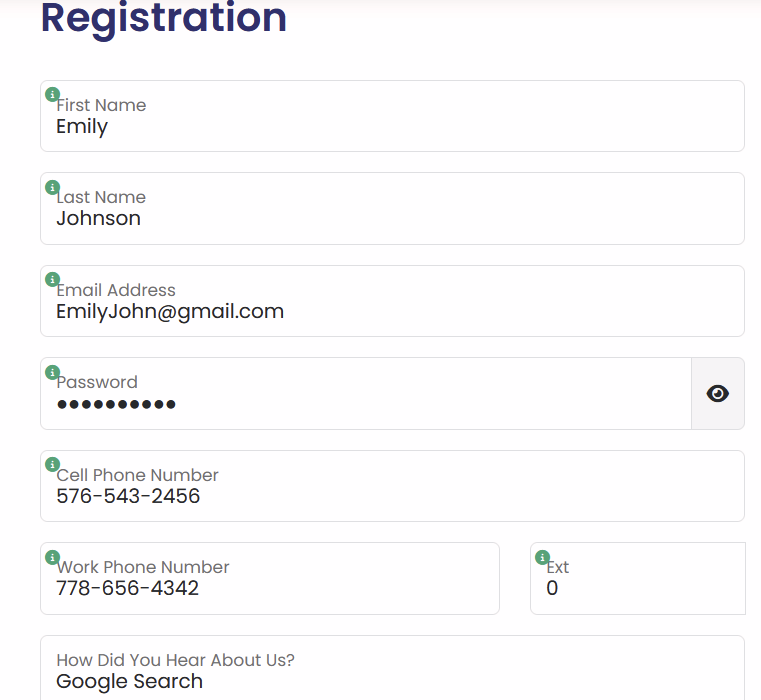
 Step 1: Registration/Login
- New Users: Click Register and fill in your information for profile creation. After registration, all you need to do is login into your profile using your login information.
- Existing Users: Login into your existing profile using your login information.
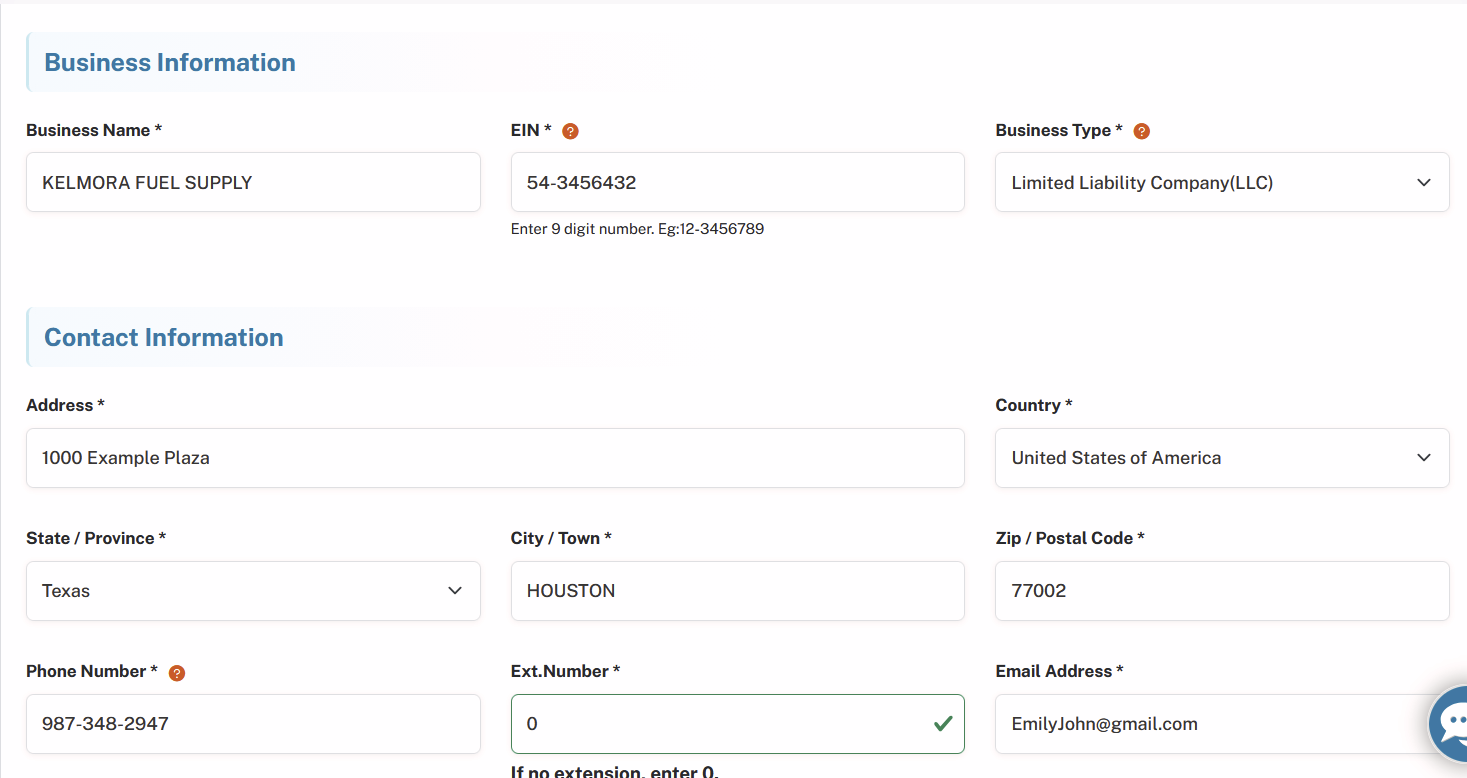
Step 2: Add New Business (For New Users)
Click on Add New Business and enter your business details:
- Business Name
- Employer Identification Number (EIN)
- Business Type
- Address (with Zip Code) and Phone Number
- Signing Authority Information (Name, Title, Country, and Phone Number)
Your business information will be securely stored in our database for future filings.
- Existing Users: Select your pre-registered business from the dropdown list.
Step 3: Select Form Type
- From the dropdown menu, choose Form 720.
- Enter the Tax Year and select the correct quarter for your filing.
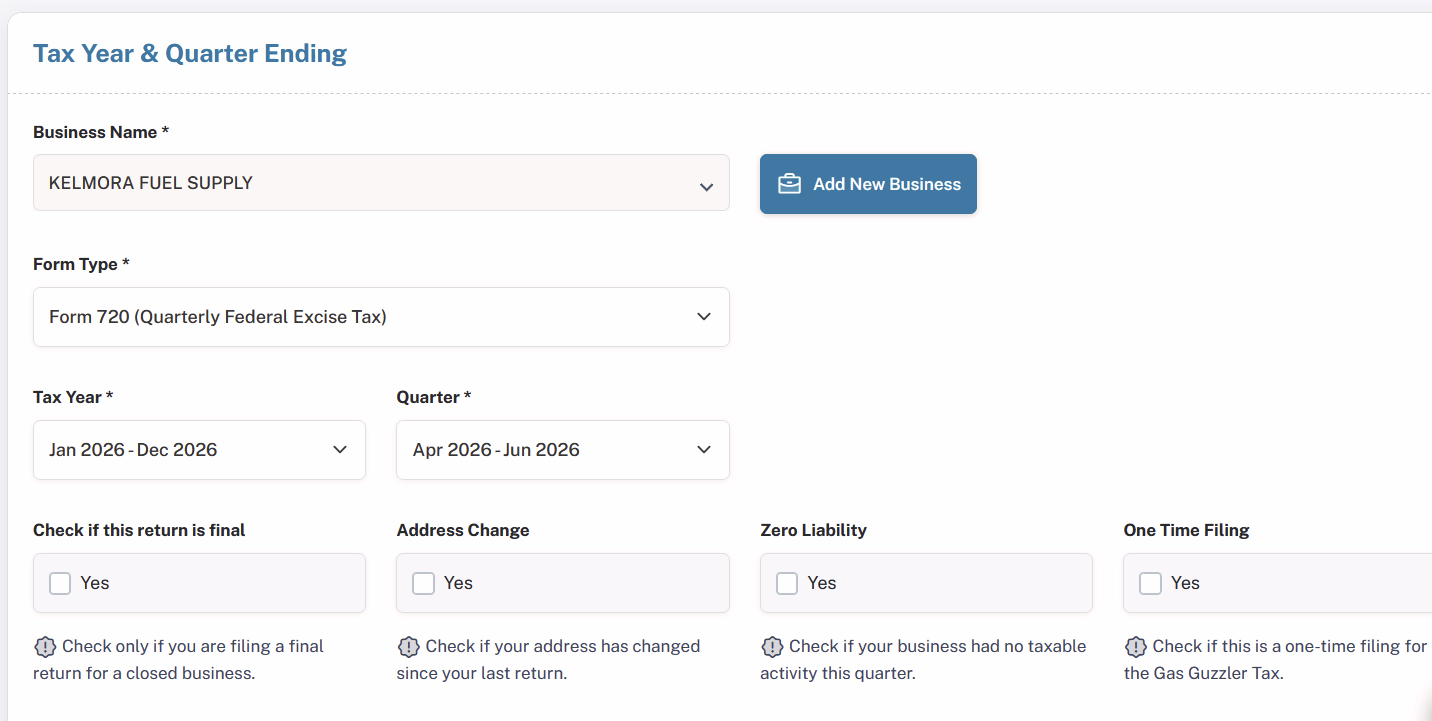
Step 4: Choose Filing Options
Select any applicable options, such as:
- Final Return
- Address Change
- Zero Liability
- One-Time Filing
Choose the options that best apply to your situation, and proceed to the next step.
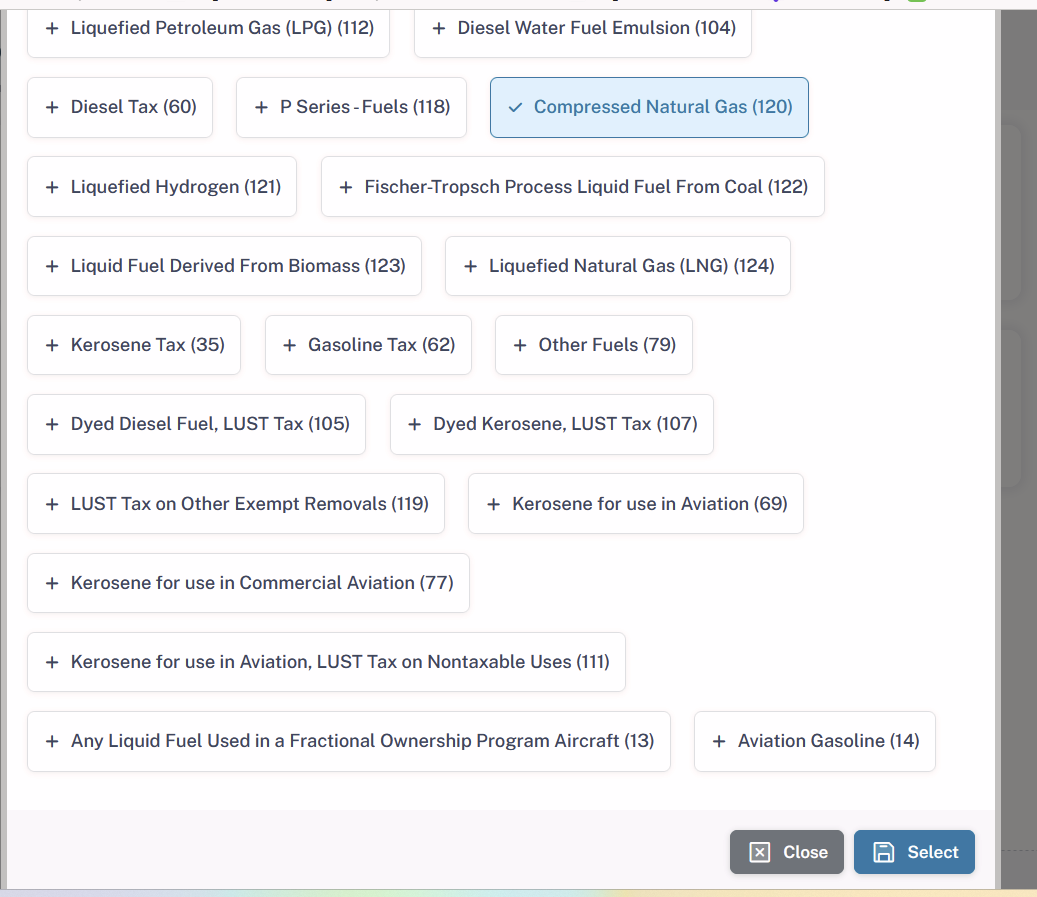
Step 5: Select Fuel Excise Tax Category
- Different categories along with the respective IRS number have been listed here in a systematic manner, from where you will make your selection.
- Example - If you are filing CNG under Fuel excise tax category then select “Compressed natural gas (120)” under Fuel Tax tab.
Step 6: Provide Tax Details
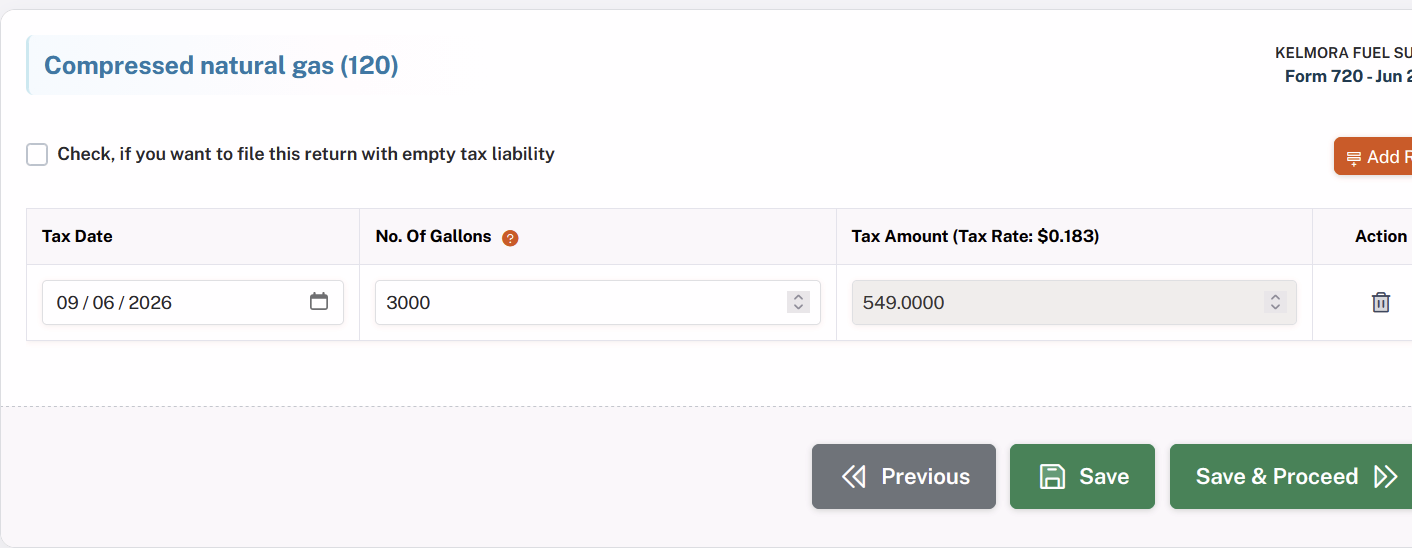
The inputs that are required to be provided below would depend on the tax category that the taxpayer opts for. In our case, the tax opted for is CNG and the inputs that would be required would be Tax date and gallons.
It needs to be noted that the calculation of the tax would be done based on the above information by the portal
Step 7: Tax Calculation
- According to Tax Rate: $0.183, our system will calculate the excise tax for you automatically. Please check the amount of excise tax that has been calculated.
Step 8: Claim Refunds (If Applicable)
- If you're eligible for any refunds, you will have the option to claim your refund at this stage.
- If you are not eligible for a refund, simply skip this step and proceed to payment.
Step 9: Calculate Deposits or Overpayments for Payment Adjustment (If Applicable)
In this case, you are supposed to decide how much money has been deposited or wrongly charged into your account. Should this happen, you will use this data to figure out your payment process. If there is nothing wrong, proceed to the next step.
Step 10: Payment Options
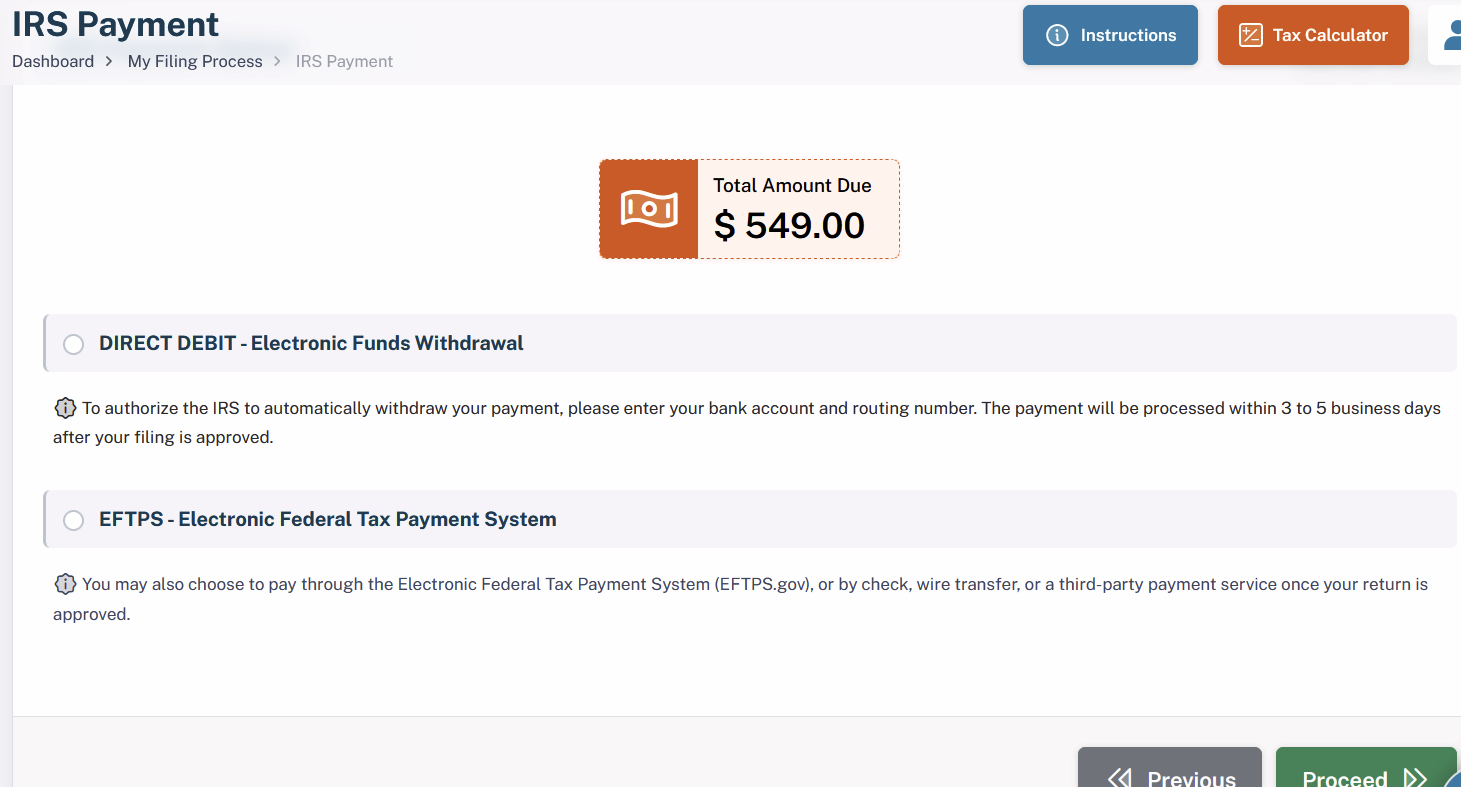
Choose one of the following secure payment methods to complete your filing:
- DIRECT DEBIT (Electronic Funds Withdrawal)
- EFTPS (Electronic Federal Tax Payment System)
Step 11: Final Summary
Review the final summary of your filing, which will include:
- All options selected
- The tax amount calculated
Once you’ve verified the details, proceed to complete your payment.
Step 12: IRS Submission and Instant Acknowledgement
You have to submit your fuel excise tax return to the IRS automatically after paying your fees. When this gets approved, we would issue an acknowledgement straightaway. This would most probably get approved within a couple of hours.
All this makes sure that your fuel excise tax return gets filed appropriately. If you need any assistance from our side, please do not hesitate to contact us.
Why Choose QuickFile720 for your Fuel Tax Filing? Our Exceptional Features
1. IRS-Authorized Filing Portal - QuickFile720 is an IRS-Authorized E-Filing Portal for submitting your federal excise tax returns online. Submit your return with security and get electronic confirmation after your return has been processed by the IRS.
2. Low Cost Filing - Avail low-cost e-filing without having to sacrifice any essential features. Transparent pricing helps businesses to manage their excise tax filing expenses effectively.
3. Easy Navigation - An easy filing procedure leads you through each step to prepare your tax return. No more complicated navigation when entering, viewing, and submitting your data.
4. AICPA SOC 2 Certified - QuickFile720 confirms AICPA SOC 2 security standards that protect sensitive data. This will enhance security for both your business and your tax data.
When Is Fuel Excise Tax Due?
(Form 720 Deadlines)
According to the IRS, the fuel excise tax must be reported and paid quarterly on IRS Form 720, Quarterly Federal Excise Tax Return.
| Quarter | Tax Period Covered | Form 720 Due Date |
|---|---|---|
| Q1 | January 1 - March 31 | April 30 |
| Q2 | April 1 - June 30 | July 31 |
| Q3 | July 1 - September 30 | October 31 |
| Q4 | October 1 - December 31 | January 31 (following year) |
Important Notes:
- In case there will be a deadline falling either on weekends or public holidays, the deadline will automatically be pushed to the next business day.
- Form 720 has to be filed on a quarterly basis even in a scenario where you have liability only for a particular quarter in a year.
- Fuel excise tax category is the broad category under form 720 where a large number of IRS numbers are included in it. Filing with an accurate IRS number is very important.
What are the Fuel Excise Tax Penalties (IRS Rules)
The penalties levied against the fuel excise tax are similar to the penalty levied against form 720 because it is filed through Form 720.
Below are the common penalties applicable to Form 720 filings.
| Penalty Type | Description | Penalty Amount |
|---|---|---|
| Late Filing Penalty | If Form 720 is filed after the due date and there is unpaid tax. | 5% of the unpaid tax per month (or part of a month), up to 25% of the total unpaid tax. |
| Late Payment Penalty | If the excise tax due is not paid by the filing deadline. | 0.5% of the unpaid tax per month, up to 25% of the unpaid tax. |
| Interest on Unpaid Taxes | Interest is charged on unpaid taxes and penalties until the balance is fully paid. | Interest accrues from the due date of the return until payment is made. |
| Failure to Deposit Penalty | If required excise tax deposits (such as semimonthly deposits) are not made correctly. | The penalty amount varies depending on how late the deposit is made. |
Important Notes
- Late filing and late payment penalties may be charged concurrently; however, in the case where both penalties are charged for the same month, the late filing penalty is reduced.
- The interest charges will continue to accrue until the total tax with penalties is paid.
- Large tax payers who pay excise taxes need to pay regularly or else incur penalties.
How to Avoid Fuel Excise Tax – Form 720 Penalties
To prevent penalties and additional charges for the Fuel Excise Tax, follow these essential steps:
- File Within the Deadline - Make sure that you file the Form 720 on time in order to avoid any penalty for filing the Form late.
- Make the Full Payment - You need to make the full payment through tax in order to avoid any penalty.
Key Points to Remember for Fuel Excise Tax:
Make Sure to Use the Most Recent Tax Rates - Different types of fuel may have different fuel excise tax rates depending on their applicable IRS number. Make sure you check the most recent Form 720 instructions for accurate information about the applicable rate.
Use the Correct IRS Number - The diesel fuel or any other type of fuel may have several IRS numbers depending on the nature of the taxable transaction. It is important to determine which transaction is taxable in order to report and pay taxes under the right IRS number.
Don’t Forget About the LUST Tax - It does not matter that you owe only one fuel excise tax – LUST tax – you should make sure to pay it anyway.